

MSS Revises Steel Casting Quality Standard for Industrial Valves
MSS Publishes Revised Standard for Steel Castings Used in Valves
On December 11, 2025, the Manufacturers Standardization Society of the Valve and Fittings Industry (MSS) announced the publication of MSS SP-147-2025, a revised standard titled Quality Standard for Steel Castings Used in Standard Class Steel Valves — Sampling Method for Evaluating Casting Quality.According to the official announcement, the standard provides minimum guidance for evaluating the quality of pressure-containing steel castings used in standard-class cast valves complying with ASME B16.34. It covers castings manufactured through both sand casting and investment casting, with acceptance criteria intended to establish a minimum quality level for these components.
The revision highlights the importance of consistent casting quality evaluation in industrial valve manufacturing, particularly where cast components form part of a valve's pressure-containing structure.
Why Casting Quality Matters in Valve Manufacturing
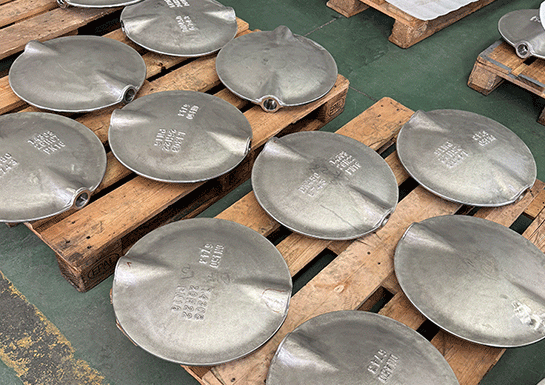
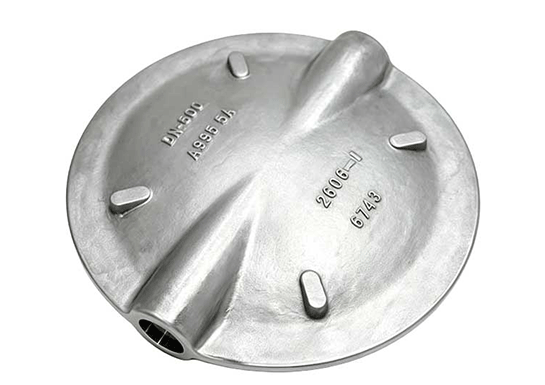
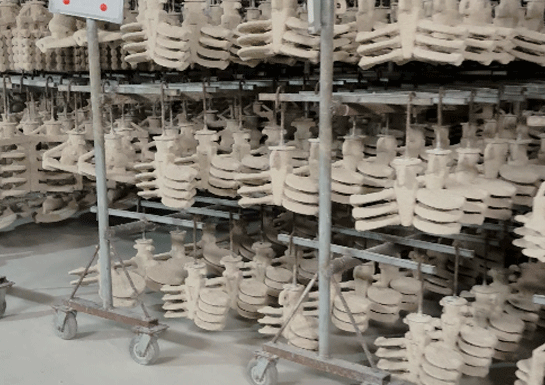
Steel castings are widely used to manufacture valve bodies, bonnets and other pressure-containing components. These parts must meet specified design and material requirements while providing the dimensional accuracy and structural integrity needed for subsequent manufacturing and assembly.Casting quality can be affected by several factors, including mold and core design, metal flow, solidification conditions and process consistency. Depending on the casting process and component geometry, defects such as shrinkage cavities, porosity and surface irregularities may require careful evaluation.
For valve manufacturers and casting suppliers, quality management therefore involves more than checking the appearance of a finished casting. The manufacturing process, inspection criteria and acceptance requirements must work together to help ensure that components meet the specifications established for their intended application.
Understanding the Role of Casting Quality Standards
A casting quality standard provides a common technical reference for evaluating whether castings meet defined acceptance requirements. This is particularly important when valve manufacturers work with external foundries or source components from multiple suppliers.MSS SP-147-2025 specifically addresses the sampling method for evaluating the quality of steel castings used in standard-class steel valves. It should be understood alongside the applicable valve design, material and purchasing requirements rather than as a replacement for every project-specific specification.
The standard also illustrates why quality requirements should be considered early in the manufacturing process. Clear acceptance criteria help manufacturers and suppliers align their expectations before production begins and provide a more consistent basis for evaluating casting quality.
From Casting Design to Machining: A Connected Manufacturing Process
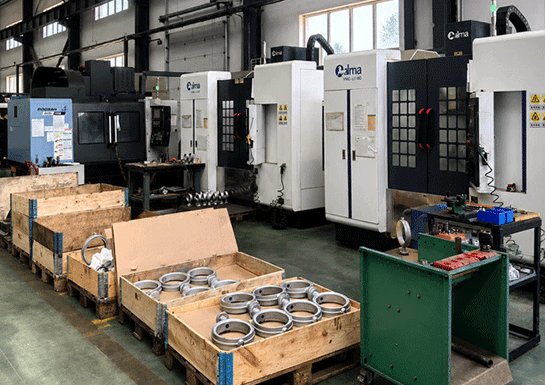
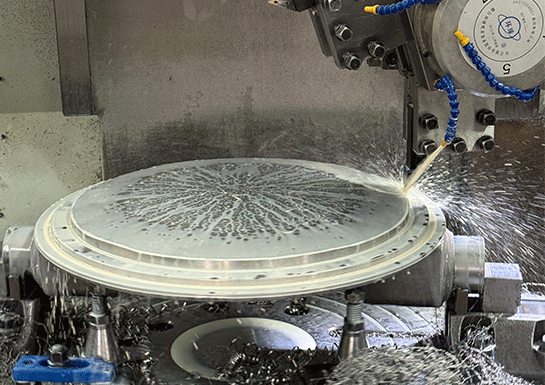
Casting quality is closely connected to the operations that follow it. Once a casting has been produced, heat treatment may be required to achieve the specified material properties. CNC machining then brings critical interfaces, bores, flange faces and connection features to their required dimensions.For valve components, these stages must be coordinated carefully. A casting that does not provide sufficient machining allowance, for example, may create difficulties when producing finished sealing surfaces or connection dimensions. Similarly, process planning must account for the component's geometry, material requirements and the inspection criteria specified by the customer.
This is why effective valve-component manufacturing depends on coordinated process planning rather than treating casting, heat treatment and machining as isolated operations.
How Puyue Supports Custom Valve Component Manufacturing
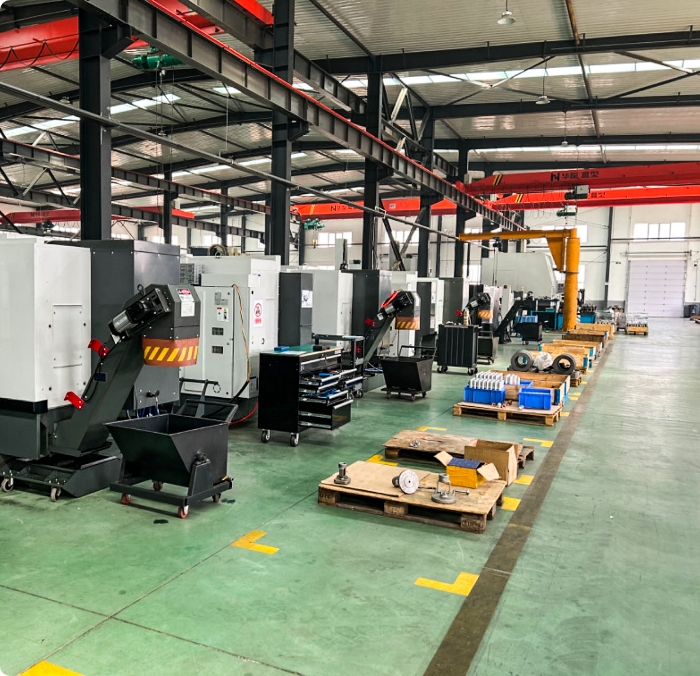
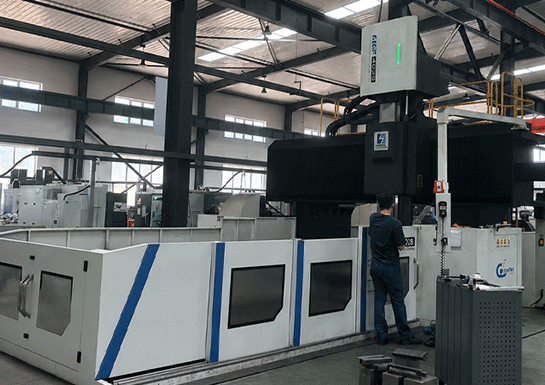
Shenyang Puyue Industrial Co., Ltd. provides OEM manufacturing solutions for industrial valve components and other custom metal parts. Established in 2007, the company operates three production plants and supports customers from casting and process selection through subsequent machining and finishing operations.For projects involving cast valve components, Puyue's relevant capabilities include sand casting, 3D-printed sand casting, heat treatment, CNC machining and five-axis CNC machining. These processes can be considered according to the component drawing, material specification, geometry and required finished dimensions.
Puyue works with customers on custom components such as valve bodies, discs, bonnets and other metal parts. Reviewing the drawing and technical requirements at the beginning of a project helps establish an appropriate manufacturing route and clarify the requirements for machining, finishing and quality acceptance.
The specific inspection methods and acceptance criteria for each project should be defined according to the customer's drawings, applicable standards and agreed technical specifications.
A Continued Focus on Casting Quality
The publication of MSS SP-147-2025 provides a timely reminder that casting quality evaluation remains an important part of industrial valve manufacturing. Consistent requirements, appropriate process planning and clear communication between valve manufacturers and casting suppliers all contribute to more reliable component production.As valve designs and application requirements vary, manufacturers must select casting and machining processes suited to each component rather than rely on a single production method for every application. Understanding the relationship between casting quality, inspection requirements and downstream machining is an important step toward producing valve components that meet their intended specifications.
Source: Manufacturers Standardization Society (MSS), “MSS Publishes Revised Standard for Quality Standard for Steel Castings,” December 11, 2025.
Official announcement: https://msshq.org/news/716375/MSS-PUBLISHES-REVISED-STANDARD-FOR-Quality-Standard-for-Steel-Castings.htm
Next Article:
Back to list
Get A Quote
Related News Recommendations
Send Your Enquiry
Send Us Your Request And We Will Get Back To You As Soon As Possible.

Shenyang Puyue Industrial Co., Ltd. Was
Founded In 2007, Is A Collection Of Scientific