

Industrial Valves Explained: Types, Applications, and the Role of Quality Casting
What Are Industrial Valves?
Industrial valves are essential components in fluid handling systems. They control the movement of liquids, gases, steam and, in some applications, slurries by starting or stopping flow, regulating flow rates, preventing reverse flow, or controlling pressure within a system.Valves are used throughout modern industry, from municipal water supply networks and oil and gas pipelines to power generation, marine engineering, chemical processing and pulp and paper production. Although their designs vary, their purpose remains the same: to help fluid systems operate safely, efficiently and reliably under specified working conditions.
Choosing the right valve depends on several factors, including the medium being handled, operating pressure and temperature, required flow characteristics, installation space and maintenance requirements. Understanding the differences between major valve types is therefore an important step in selecting suitable equipment and manufacturing reliable valve components.
Where Are Industrial Valves Used?
The demand for industrial valves spans a wide range of industries, each with different operating conditions and performance requirements.Oil and gas: Valves control the flow of oil, natural gas and related process media throughout production facilities, pipelines, storage systems and processing plants. Pressure ratings, material compatibility and reliable shutoff are key considerations.
Water supply and wastewater treatment: Valves regulate water distribution, isolate pipeline sections, control treatment processes and prevent reverse flow. Butterfly valves, gate valves and check valves are commonly used in different parts of these systems.
Power generation: Power plants use valves to manage water, steam, cooling systems and other process fluids. Depending on the application, valves may need to withstand elevated temperatures, pressure fluctuations and demanding operating cycles.
Chemical and process industries: Valves help control corrosive, hazardous or temperature-sensitive media. Material selection, sealing performance and compatibility with the process fluid are particularly important.
Marine engineering: Ships and offshore facilities rely on valves in seawater cooling, ballast, fuel, bilge and other fluid systems. Compact designs, corrosion resistance and suitability for marine operating conditions can be important selection criteria.
Pulp and paper manufacturing: Valves regulate water, pulp stock, process chemicals and other media throughout production systems. The characteristics of the medium, including solids content and potential for clogging, influence the appropriate valve design.
These diverse applications explain why industrial valves are available in many configurations. Each type is designed to perform particular functions rather than serve as a universal solution for every fluid system.
Five Common Types of Industrial Valves and Their Applications
1. Gate Valve: Designed for On-Off Isolation
A gate valve uses a gate-like closure element that moves into or out of the flow path. When fully open, it generally provides a relatively unobstructed passage. Gate valves are primarily designed for fully open or fully closed service rather than continuous flow regulation.Typical applications include:
- Oil and gas pipelines
- Water distribution networks
- Industrial process piping
- Selected power plant and utility systems
Gate valves are often chosen when reliable pipeline isolation is required. The appropriate design depends on the operating conditions, fluid characteristics and applicable piping specifications.
2. Globe Valve: Suitable for Flow Regulation
A globe valve uses a movable disc or plug that approaches or moves away from a seat to control flow. Its internal flow path differs from that of a typical gate valve, making it suitable for applications requiring flow adjustment or throttling.Typical applications include:
- Steam and boiler systems
- Cooling water systems
- Chemical processing lines
- Industrial flow-control applications
3. Ball Valve: Fast Operation and Tight Shutoff
A ball valve uses a spherical closure element with a bore through its center. Rotating the ball typically through a quarter turn aligns or blocks the bore relative to the flow path.Typical applications include:
- Oil and gas processing
- Industrial water and utility lines
- Chemical handling systems
- General-purpose process piping
4. Check Valve: Preventing Reverse Flow
A check valve allows fluid to flow in the intended direction and closes automatically when reverse flow occurs. Unlike manually operated isolation valves, check valves generally respond to flow conditions and differential pressure.Typical applications include:
- Water supply and pumping systems
- Wastewater treatment plants
- Industrial pipelines
- Selected pump discharge and process systems
5. Butterfly Valve: Compact Design for Pipeline Control
A butterfly valve uses a rotating disc positioned within the flow passage. Rotating the disc changes the opening available for fluid flow. Its compact construction and relatively light weight make it suitable for many large-diameter piping applications.Typical applications include:
- Water treatment and distribution
- HVAC and cooling water systems
- Marine piping
- Industrial process lines
- Selected pulp and paper applications
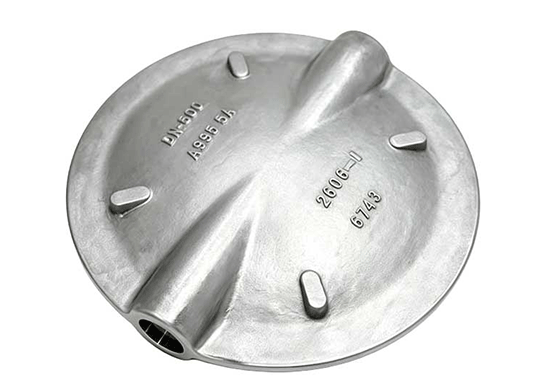
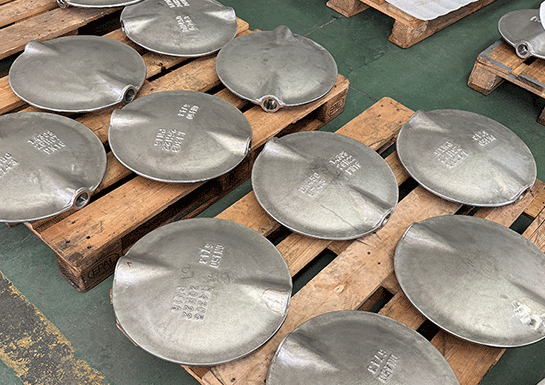
The disc and body are important components within a butterfly valve assembly. Their geometry, material properties and dimensional requirements influence how the finished valve performs.
Why Manufacturing Expertise Matters in Industrial Valve Supply
Selecting reliable industrial valve components requires more than choosing the right valve type. Material selection, dimensional accuracy, product consistency, and manufacturing quality all contribute to the performance and service life of the final product. For OEM manufacturers and industrial buyers, working with an experienced manufacturing partner can help meet specific technical requirements and maintain consistent product quality.Puyue: Your Partner for Custom Industrial Metal Components
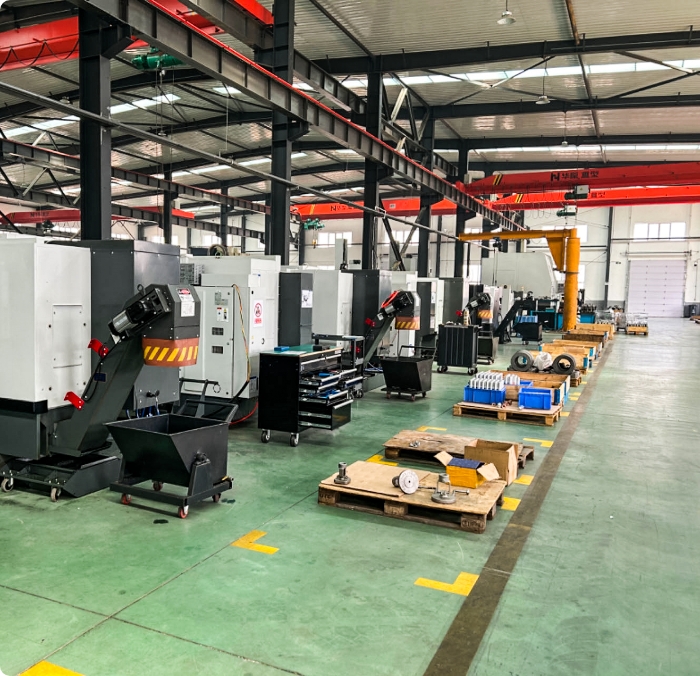
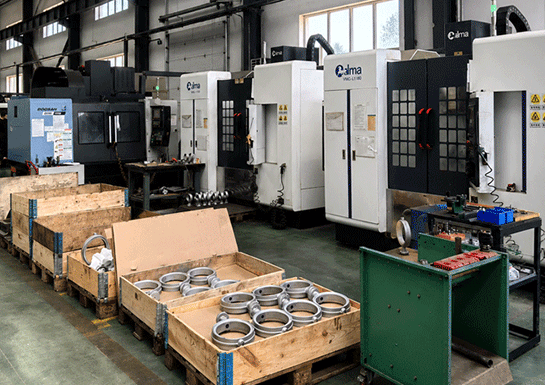
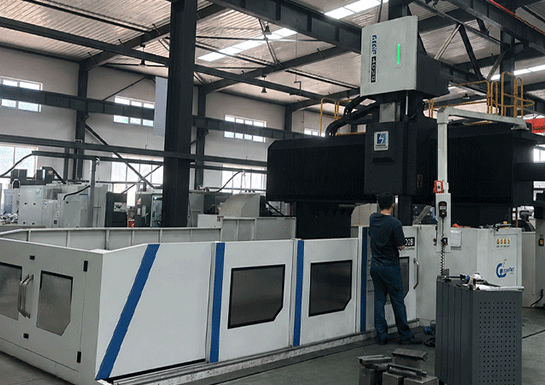
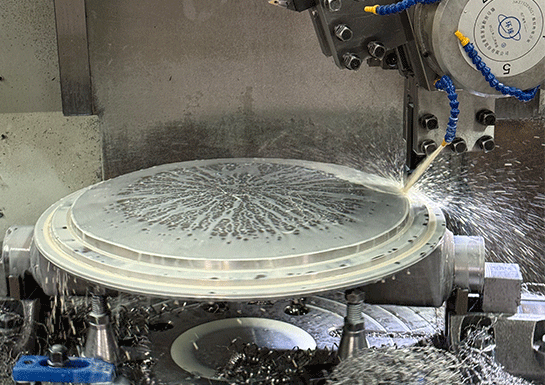
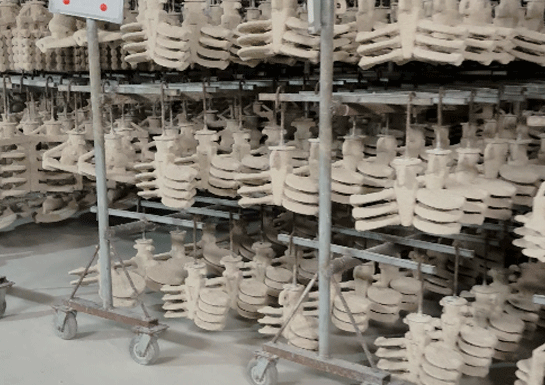
Shenyang Puyue Industrial Co., Ltd. was established in 2007 and specializes in the research, development, manufacturing, and supply of custom metal components for industrial applications. With three production plants and close to 20 years of export manufacturing experience, we provide one-stop OEM solutions tailored to customer drawings, specifications, and project requirements.Our product range includes industrial valve components, papermaking industry parts, and other customized metal components. We work with a variety of materials, including stainless steel, duplex stainless steel, nickel-based alloys, copper, aluminum, and ductile iron, serving customers with different application and performance requirements.
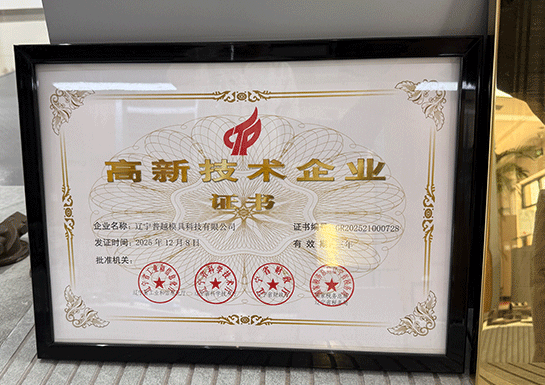
Puyue holds certifications and approvals including ISO 9001:2015, PED, ISO 14001, ISO 45001, AD 2000, and Lloyd’s Register Classification approval. We are committed to providing dependable products, consistent quality, and professional support for customers across global markets.
Whether you are developing a new industrial valve product or looking for a reliable OEM manufacturing partner for ongoing production, Puyue is ready to discuss your requirements. Contact our team to explore customized manufacturing solutions for your next project.
Next Article:
Back to list
Get A Quote
Related News Recommendations
Send Your Enquiry
Send Us Your Request And We Will Get Back To You As Soon As Possible.

Shenyang Puyue Industrial Co., Ltd. Was
Founded In 2007, Is A Collection Of Scientific